
In a historic address at the United Nations on September 5th, Captain A.K.M. Golam Kibria, Chairman of the M.H. Global Group and Founder of the Dr. Mostafa Hazera Foundation, unveiled a transformative vision—the "Bangladesh Model." Speaking at the United Nations in the United Kingdom, he presented a groundbreaking roadmap aimed at transforming the Rohingya crisis from a humanitarian burden into a catalyst for dignity and a sustainable future.
Captain A.K.M. Golam Kibria emphasized the need for a global shift in approach, stating, "The time has come to turn the Rohingya crisis into a global model for human dignity and socioeconomic empowerment." His proposed roadmap is built upon four key pillars: ensuring justice, facilitating safe and dignified repatriation, establishing fundamental rights to education, healthcare, and livelihoods, and instilling a sense of collective global responsibility. The historic workshop was moderated by Mr. Ian Martin (Executive Office of the Secretary-General & Head of UNRWA) and featured insights from world-renowned experts, including Martin Smith, Dr. Jeff Crisp, and Mark Bowden.
During his address, Captain A.K.M. Golam Kibria made a powerful commitment: the Dr. Mostafa Hazera Foundation would soon visit the Rohingya camps to work collaboratively with the UN and establish small factories to empower the Rohingya community.
The Promise Fulfilled: An On-the-Ground Mission
Just 11 days after this solemn pledge at the UN, the Dr. Mostafa Hazera Foundation took its mission from the global stage to the ground. On September 16th, with permission from the government and the RRRC, Captain A.K.M. Golam Kibria led a team to the Kutupalong camp. The official declaration of their visit was, “From a UN declaration to on-the-ground action.”
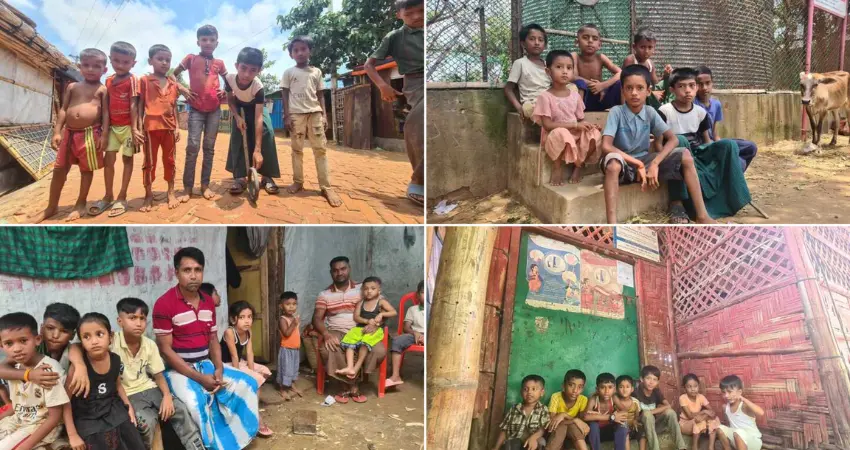
It was a journey that opened their eyes to a profound humanitarian tragedy. The foundation's team listened to the heart-wrenching cries of the world’s most persecuted people, hearing firsthand the painful realities of Myanmar’s past and present. They witnessed the struggles of a community surviving on inadequate rations, children deprived of schools, and people living in inhumane conditions.
This was more than just a visit; it was an unparalleled effort to empower the refugees by giving their voices a platform for change. The team conducted separate meetings and focus group discussions with Rohingya men and women to understand their true needs and skills.
The foundation is fully committed to the promises made at the UN. As a first step, preliminary work to establish small factories for skills development will begin this month. This initiative is a part of the Dr. Mostofa Hazera Foundation’s "Five Zero Campaign," which aims to set new standards for humanity.